6 Signs It’s Time to Replace Your Boiler With Firetube Boiler Installation in Cincinnati, OH
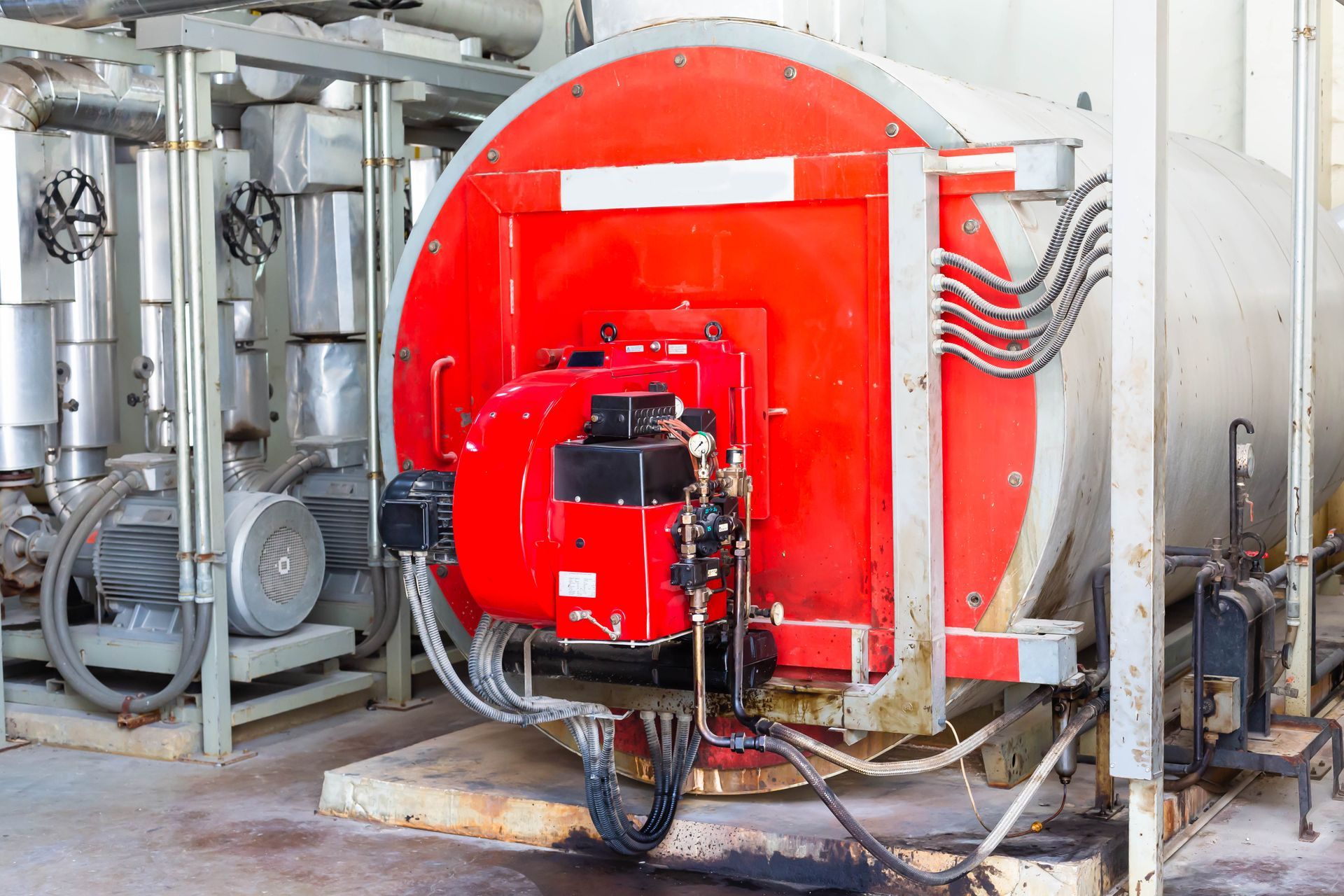
Knowing when to replace a firetube boiler is one of the most important decisions a facility manager can make, and a new installation becomes unavoidable once aging equipment starts creating more risk than it returns in value. A boiler that has served a building for decades may feel reliable simply because it is familiar, but familiarity is not the same as operational safety or efficiency.
These are 6 signs it’s time for a replacement:
- Recurring Breakdowns. When the same components fail repeatedly, cumulative repair costs often surpass the investment of a new firetube boiler installation. Each unplanned breakdown also risks costly operational downtime.
- Rising Fuel Costs. Older firetube boilers lose combustion efficiency over time. If fuel bills have been climbing without explanation, a firetube boiler system installation Cincinnati OH can deliver measurable improvements in fuel consumption that offset replacement costs over time.
- Inability to Source Parts. When a manufacturer stops supporting older units, lead times stretch and repairs grow uncertain. Unreliable parts availability is a practical signal to begin evaluating replacement options.
- Age Beyond 20 to 25 Years. Most commercial firetube boilers are designed for a lifespan of roughly 20 to 25 years. A system beyond that range may still function, but the risk of sudden failure and the cost of maintaining it typically increase year over year.
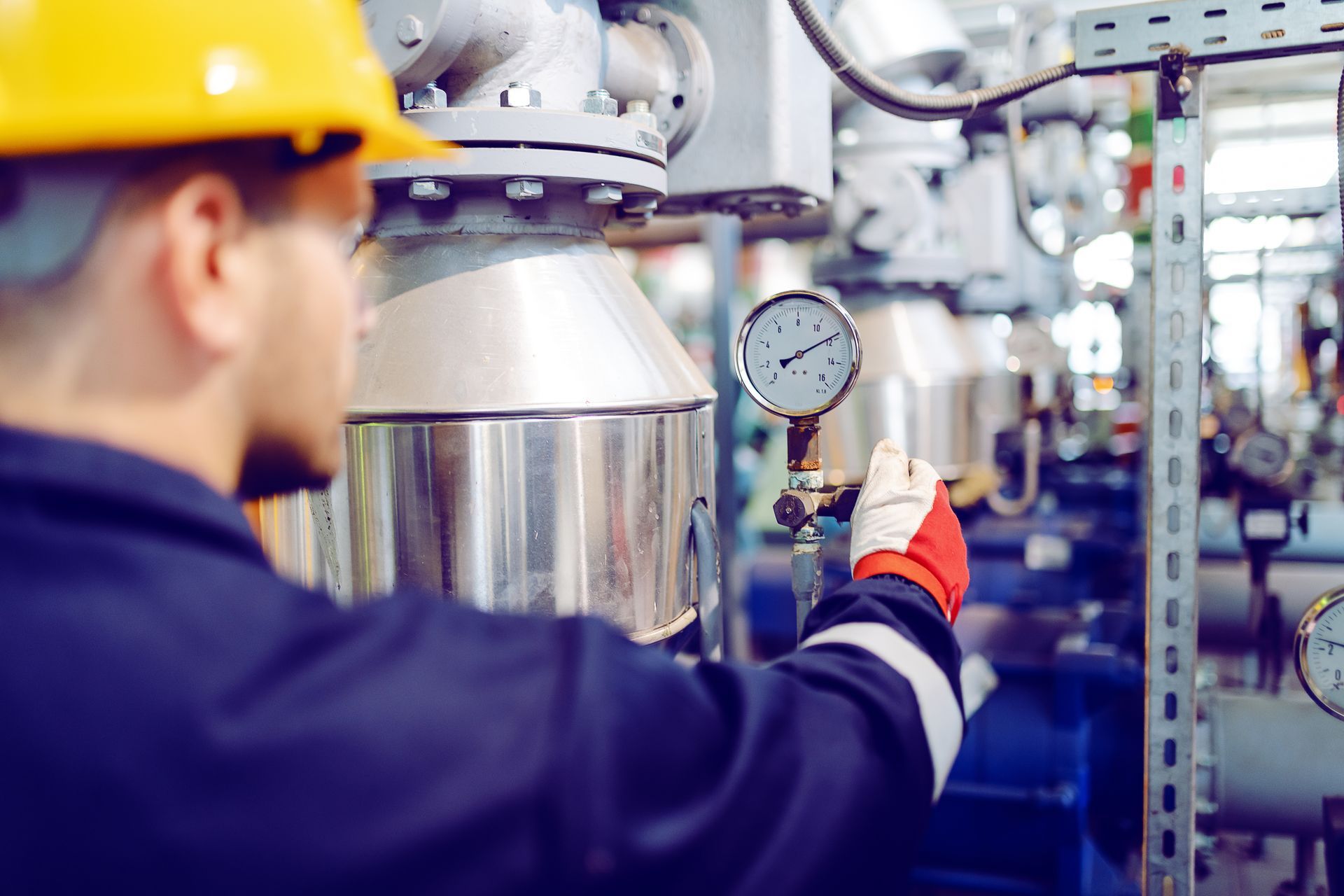
- Inconsistent Pressure or Output. A boiler that struggles to maintain consistent steam pressure or hot water output may indicate internal scaling or tube corrosion. These issues can point to deeper mechanical problems that routine boiler repairs cannot fully resolve.
- Failed Inspections. In Cincinnati, compliance with ASME standards and Ohio boiler codes is non-negotiable. When a system cannot pass inspection without major remedial work, replacement often makes more financial sense than bringing an aging unit back into compliance.
What Does Firetube Boiler Installation Involve?
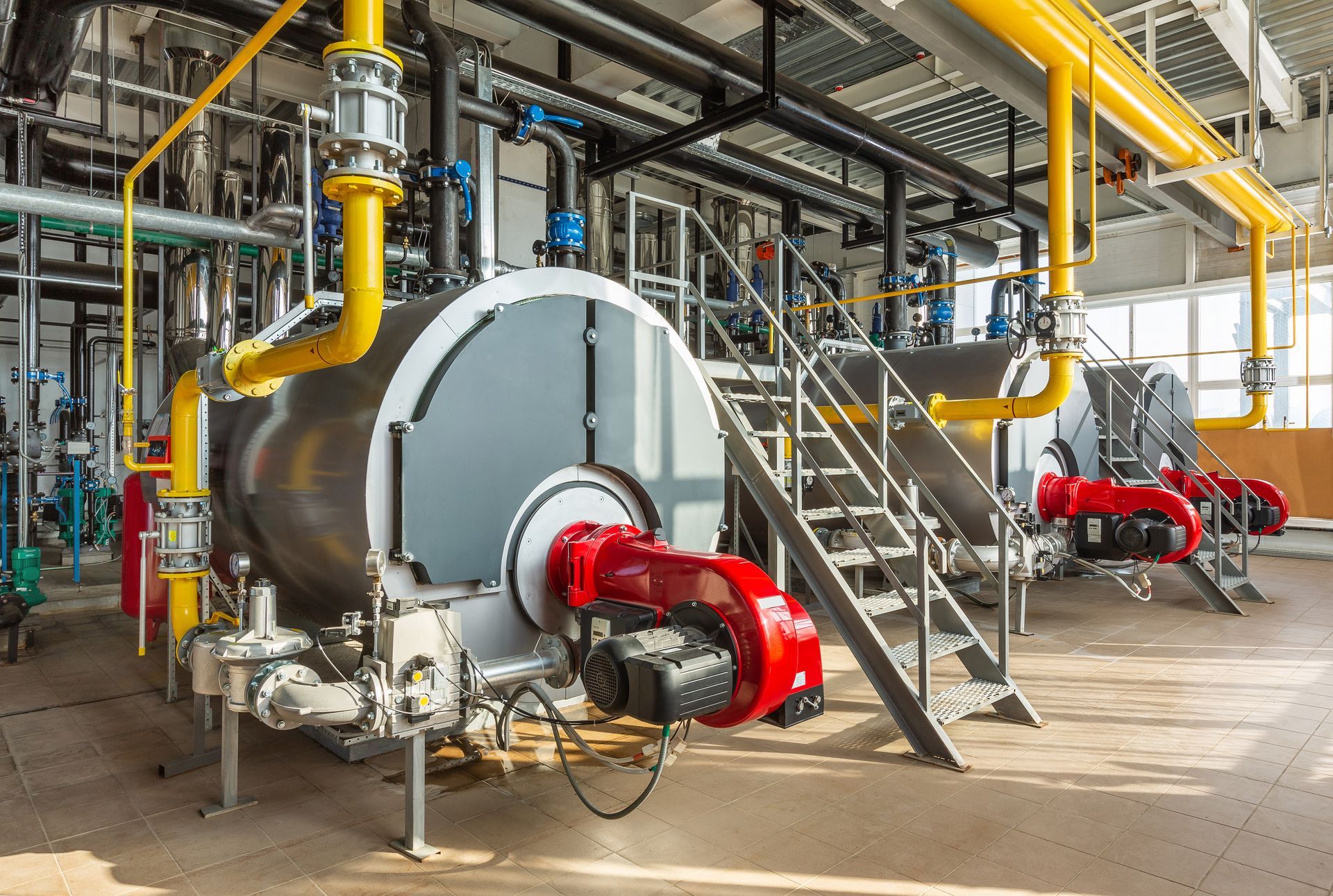
Firetube boiler system installation typically involves a site assessment, equipment sizing, ventilation planning, piping, and a final inspection for code compliance.
The process begins with evaluating the building's heating load to size the new unit correctly. Improper sizing is one of the most common causes of premature system failure. Technicians then assess existing infrastructure, including piping, exhaust stacks, and fuel connections, to determine what can be reused. A proper installation also accounts for local requirements governed by ASME standards and the Ohio Boiler and Pressure Vessel Law.
The goal of any well-executed replacement is to install a system that performs reliably, operates efficiently, and requires minimal unplanned maintenance for years to come.
Is Your Firetube Boiler Past Its Prime?
If your boiler is showing one or more of the signs above, a professional assessment is the logical next step. The Schweitzer Brothers Co. provides firetube boiler installation services in Cincinnati, OH, backed by decades of local experience. Not sure if your boiler is past its prime? Call us at
513-542-5550 for an honest assessment! You can also check our
Google Business Profile to see the results of our services.
Firetube vs. Watertube Boiler Installation: Which Is Right for Your Cincinnati, OH Facility in 2026?